Blog
Tips, guides, and insights on learning Japanese through music.
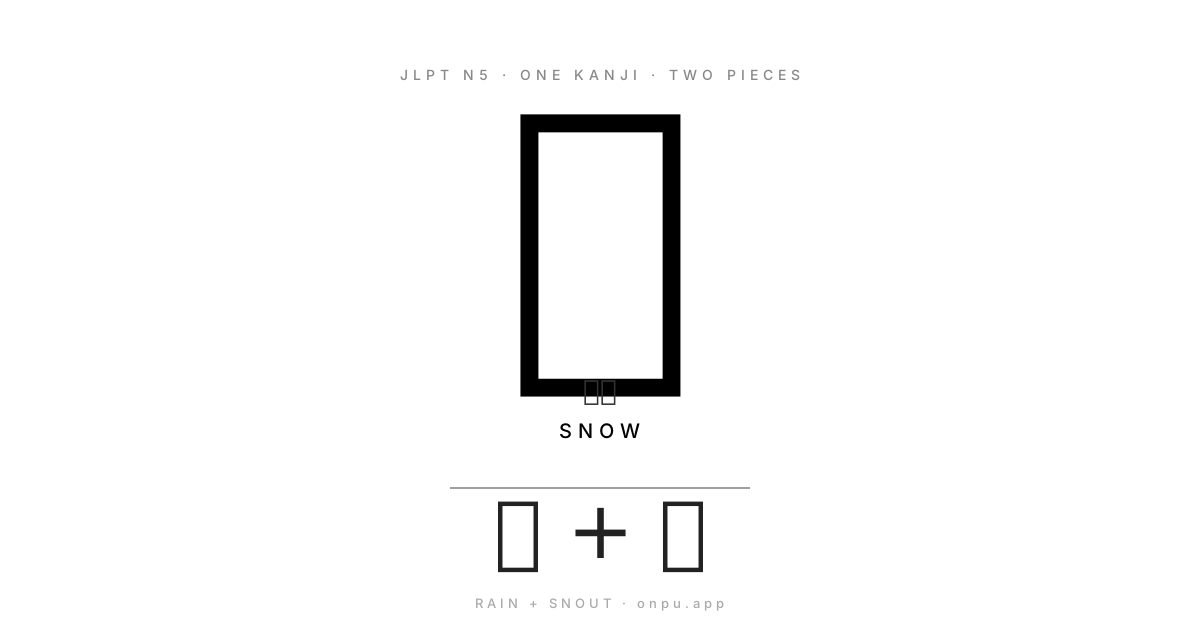
Yuki (雪) Shows Up in Almost Every Japanese Winter Song. The Kanji Itself Is Rain Falling From a Pig's Snout.
雪 means snow, but the kanji is built from 雨 (rain) sitting on top of an old snout radical. Once you see it, J-pop winter songs that use 雪 stop sounding like weather.
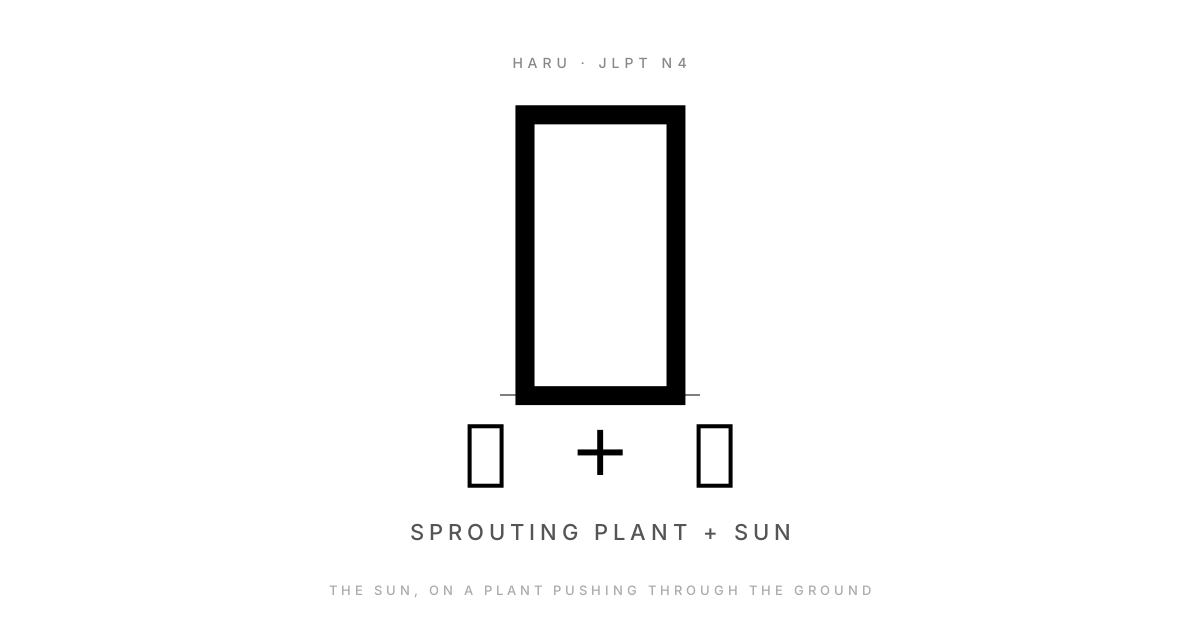
Haru (春) Shows Up in Almost Every J-Pop Song You Love. The Kanji Itself Is the Sun Catching a Plant the Moment It Pushes Through the Ground.
春 means spring. The kanji breaks into sun above a sprouting plant. Once you see it, J-pop songs about spring stop being about cherry blossoms.
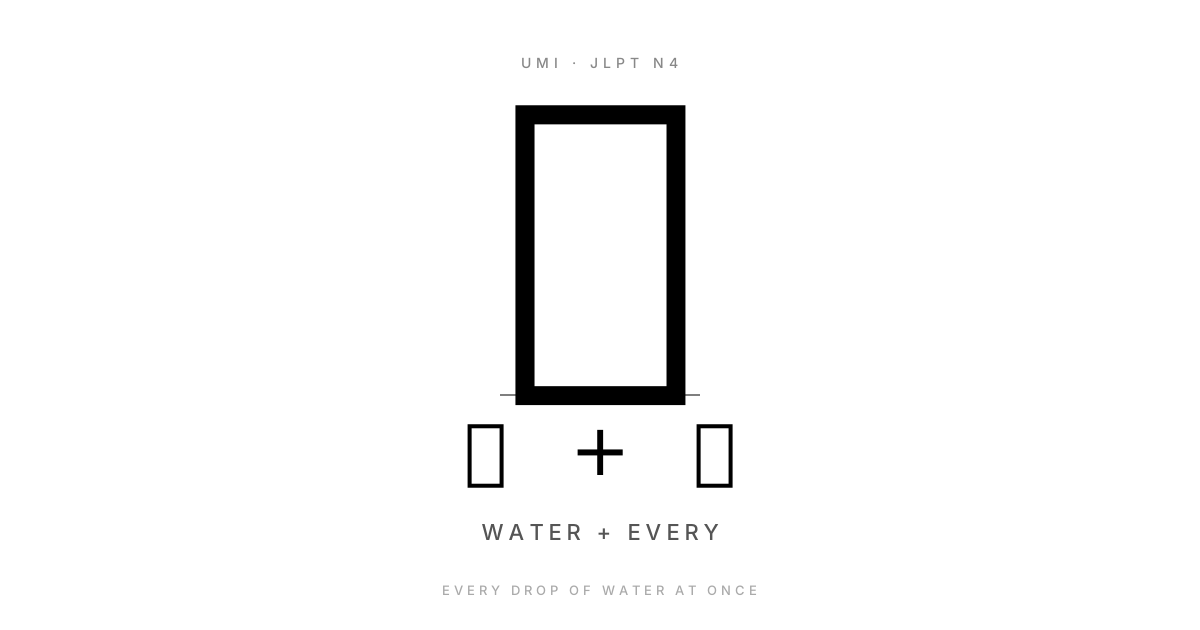
Umi (海) Shows Up in Almost Every J-Pop Song You Love. The Kanji Itself Means Every Drop of Water at Once.
海 means sea. The kanji breaks into water plus every: every drop of water. Once you see it, J-pop songs about the sea stop being about the beach.
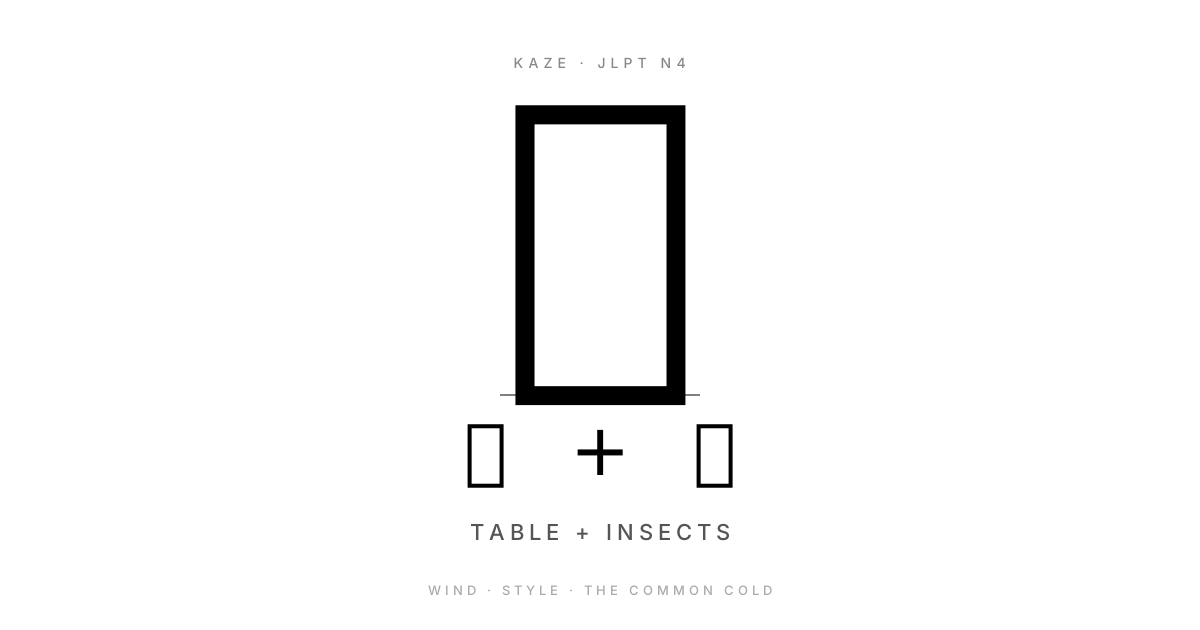
Kaze (風) Shows Up in Almost Every J-Pop Song You Love. The Same Kanji Hides Inside the Words for Scenery, Tradition, and the Common Cold.
風 means wind. It also means style. It also hides inside the word for the common cold. Once you see all three living in one kanji, J-pop sounds different.
Inochi (命) Shows Up in Almost Every J-Pop Song You Love. The Kanji Itself Is an Order to Exist.
命 (inochi) means life in Japanese, but the kanji means command. Here is what changes when you know that.
Toki (時) Shows Up in Almost Every J-Pop Song You Love. The Kanji Itself Is a Sun Watched from a Buddhist Temple.
The kanji for time in Japanese is a sun at a Buddhist temple. Here is what that image does inside every J-pop song about lost time.
Kimi (君) Shows Up in Almost Every J-Pop Song You Love. The Same Kanji Used to Mean King.
君 is the you in every J-pop chorus. The kanji is built from an official and a mouth, and the word used to mean king. Once you see that, the love songs read a little differently.
Tsuki (月) Shows Up in Almost Every J-Pop Song You Love. The Same Kanji Means Both Moon and Month.
月 means moon. It also means month. The same character does both jobs because Japanese measured time by the moon, and once you see it the J-pop chorus you've been listening to changes shape.
Driver's High L'Arc-en-Ciel Meaning: One Word in the Chorus Has Meant 'Die Together' for Three Hundred Years
Driver's High is more than an Initial D opening. The word HYDE uses in the chorus is the classical Japanese term for dying together, and the kanji in the final line confirm the ending he had in mind all along.
Ame (雨) Shows Up in Almost Every J-Pop Song You Love. The Kanji Itself Hides Inside Snow, Thunder, and Even Electricity.
雨 means rain, but the same shape sits inside snow, cloud, thunder, fog, frost, dew, even electricity. Once you see it, J-pop songs that use 雨 stop sounding like weather.
Hoshi (星) Shows Up in Almost Every J-Pop Song You Love. The Kanji Itself Is a Sun That Gives Life.
星 means star, but the kanji tells a deeper story: a sun that gives life. Once you know this, you'll hear it everywhere in J-pop, and understand why Japanese named Mars, Venus, and Jupiter after it too.
Hikari (光) Shows Up in Almost Every J-Pop Song You Love. The Kanji Itself Is a Person Standing on a Hilltop With Their Arms Wide Open.
The kanji 光 (hikari, light) is everywhere in Japanese music. When Onpu breaks it open, you get a figure on a bare hilltop with arms wide. Here is what that image quietly does to every song you already know.
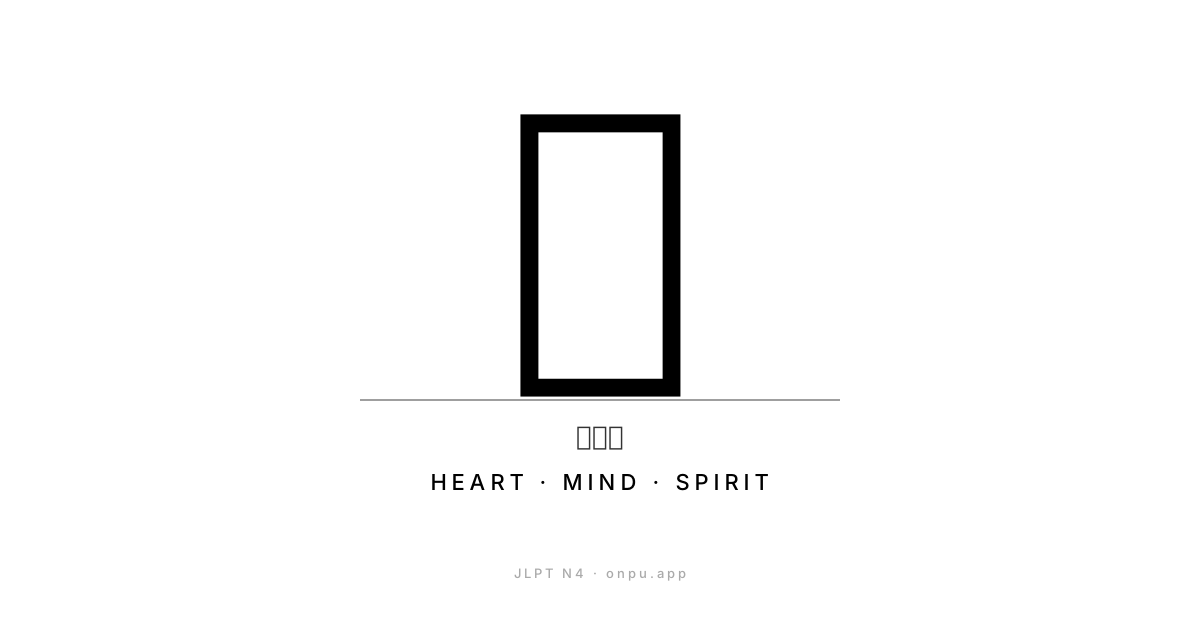
Kokoro (心) Shows Up in Almost Every J-Pop Song You Love. The Kanji Hides Inside the Words for Ninja, Sadness, and Forgetting.
The kanji 心 (kokoro, heart) is hiding inside the Japanese words for sadness, forgetting, feeling, and even ninja. Here is what that does to every song you already love.
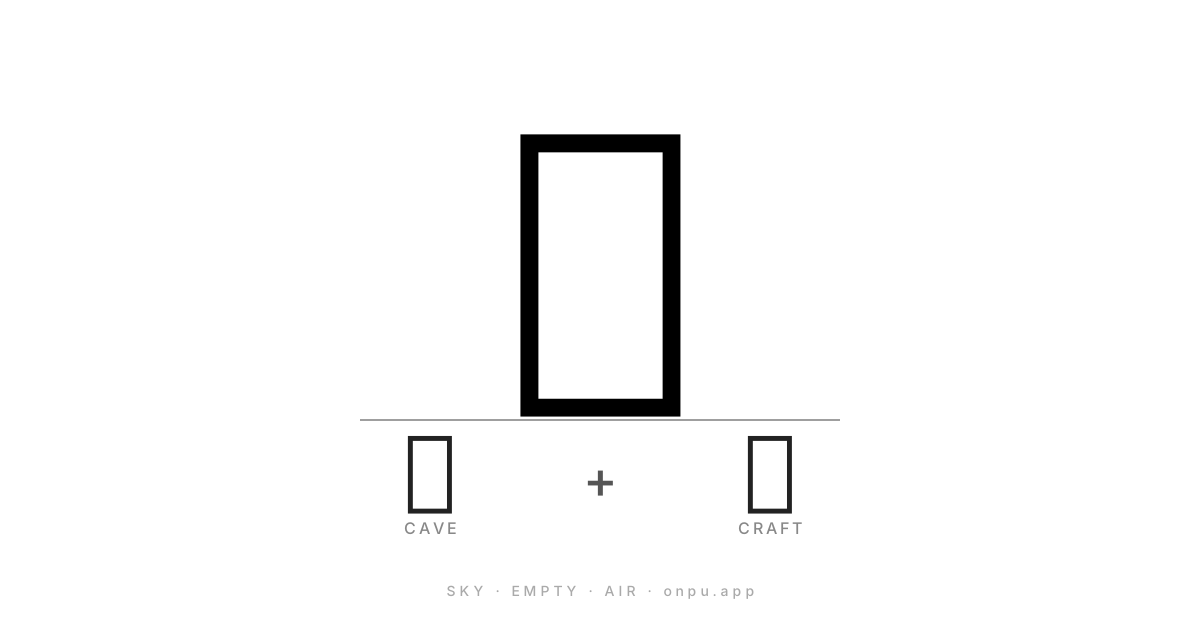
Sora (空) Shows Up in Almost Every J-Pop Song You Love. The Kanji Means Sky and Empty at the Same Time.
空 appears in almost every J-pop song. It means sky. It also means empty. One kanji, two opposite feelings, and one Yorushika song uses both.
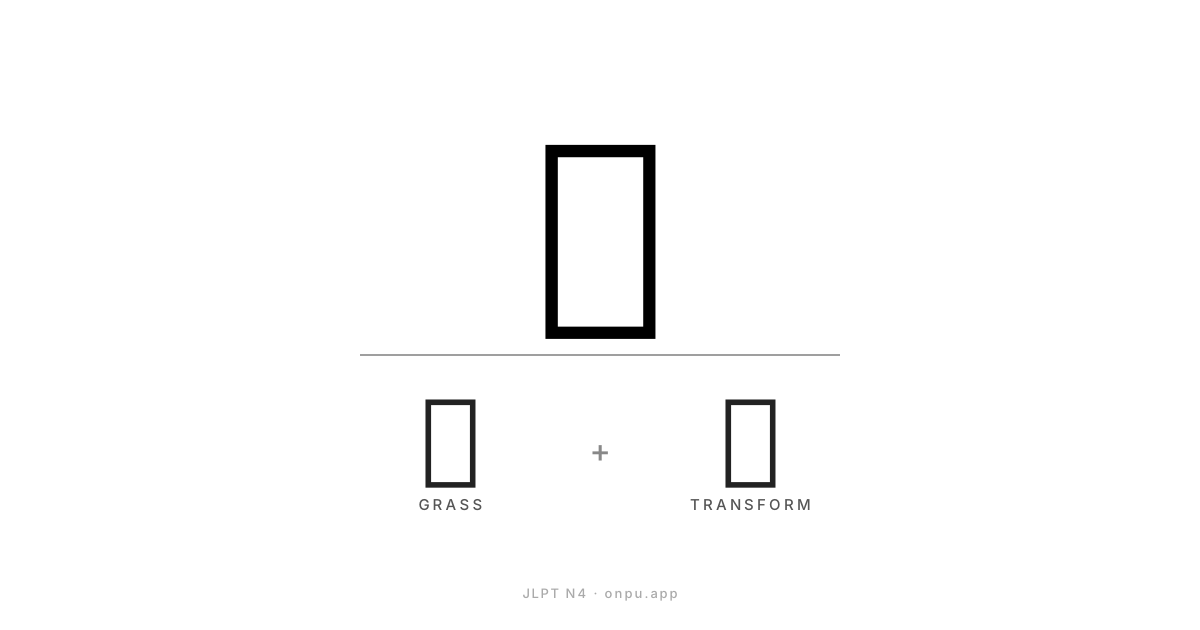
Hana (花) Shows Up in Almost Every J-Pop Song You Love. The Kanji Itself Is Grass at the Moment It Changes.
花 is grass plus the kanji for transformation. Once you see that, every J-pop song with 花 in it sounds different.
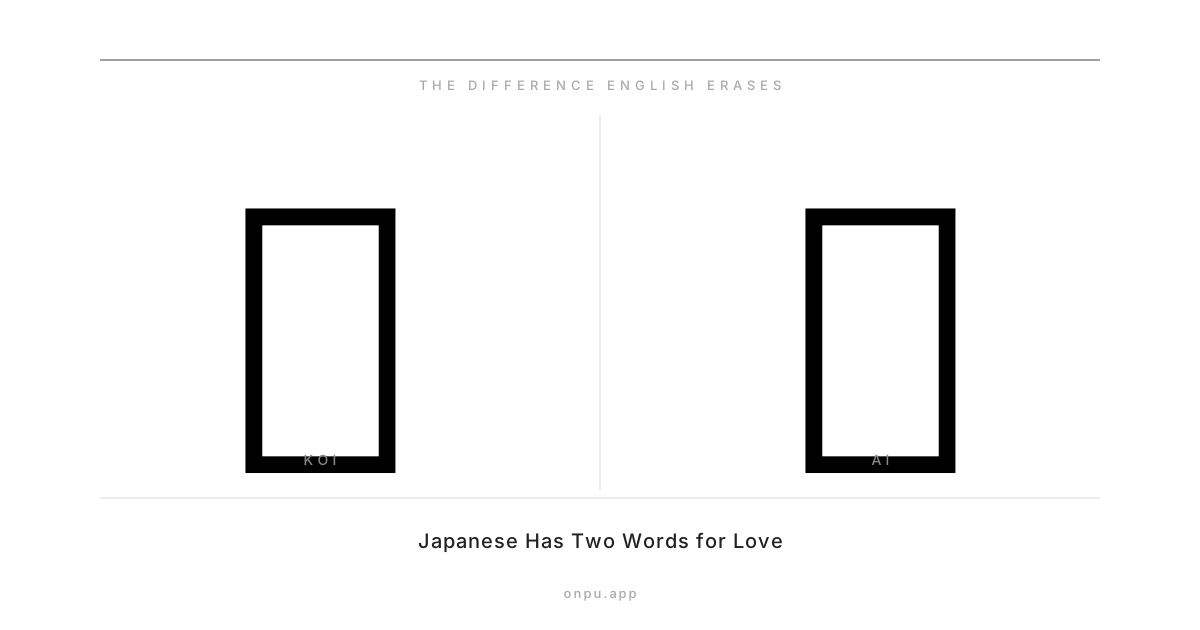
Japanese Has Two Words for Love. The Kanji Show They're Not Even the Same Feeling.
恋 (koi) and 愛 (ai) both get translated as love in English. But their kanji describe completely different feelings. Here is what the difference sounds like in J-Pop.
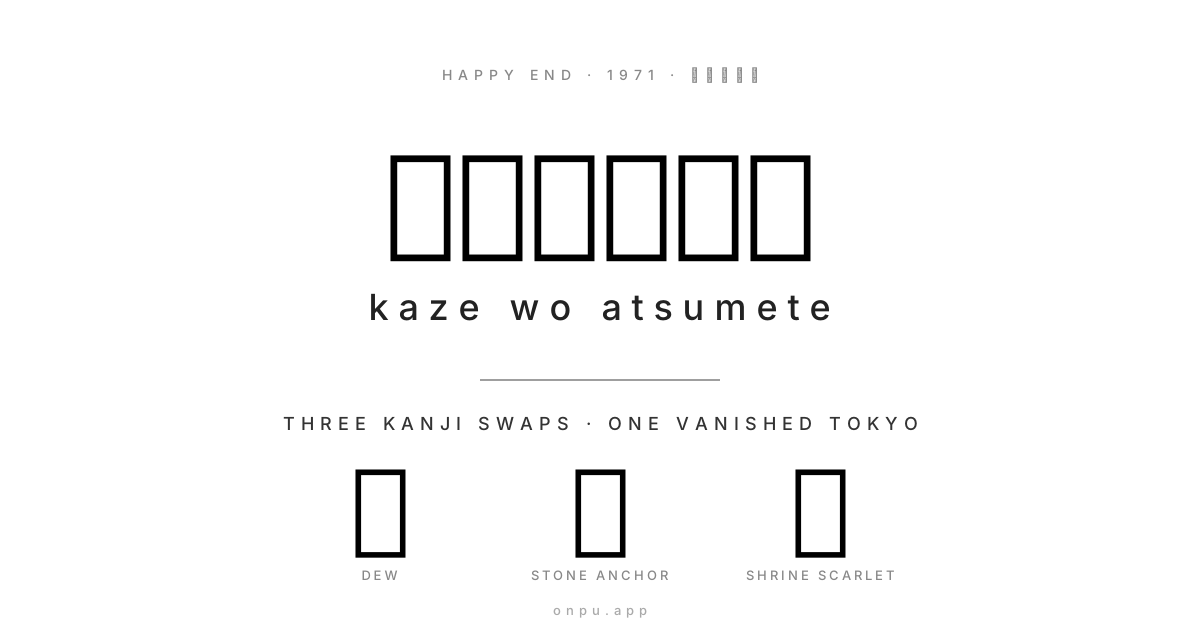
Kaze wo Atsumete Meaning: The Lost in Translation Song Wrote 1971 Tokyo in Kanji That Already Felt Old in 1971
Happy End's 1971 hit hides three kanji swaps that smuggle a vanishing pre-Olympics Tokyo inside its streetcar, its harbor, and its scarlet sails.
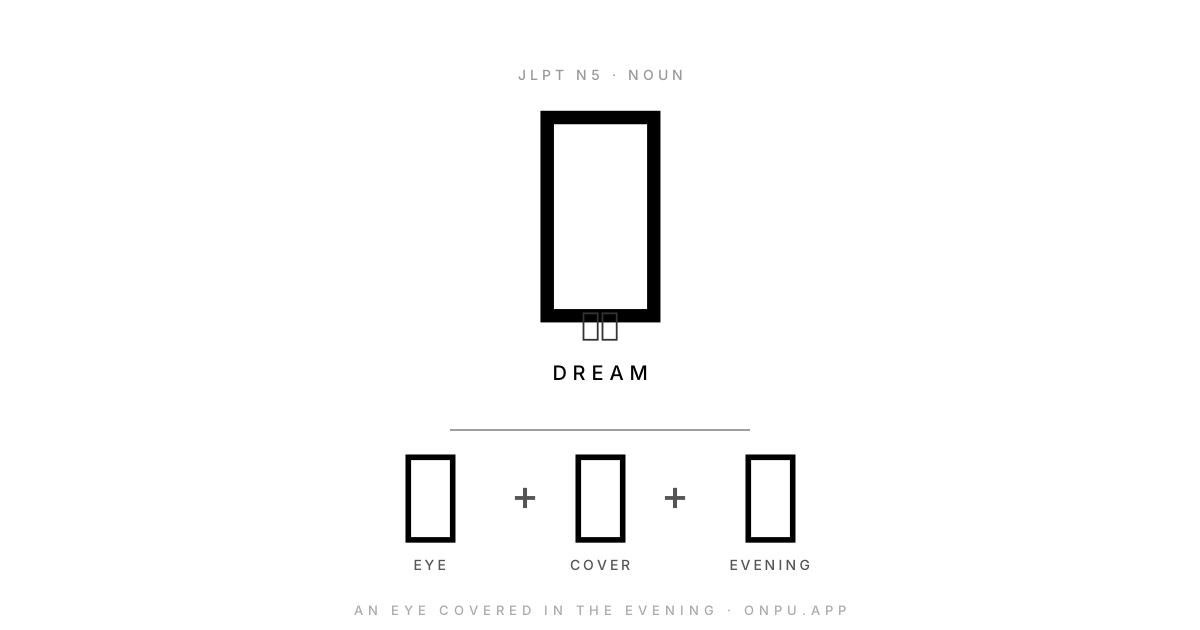
Yume (夢) Shows Up in Almost Every J-Pop Song You Love. The Kanji Itself Is an Eye Covered Up in the Evening.
夢 (yume) is the kanji every J-pop chorus reaches for. The breakdown is eye plus cover plus evening. Here is what that quietly does to two songs you have already played a hundred times.
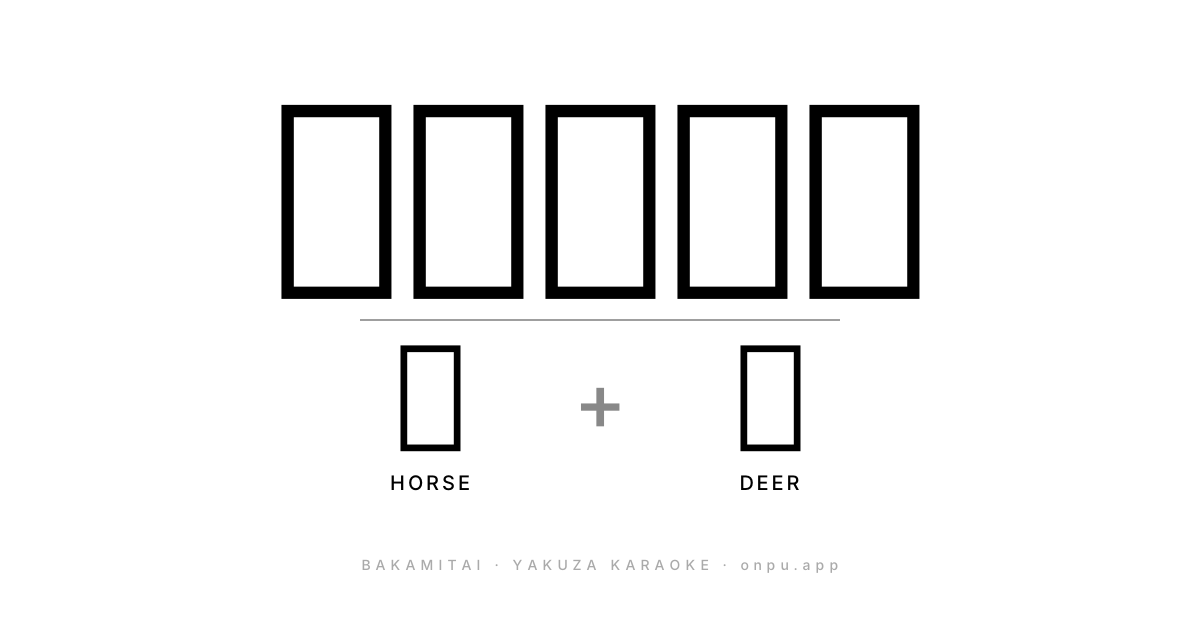
Bakamitai Meaning: Kiryu Sings This Yakuza Karaoke Ballad in a Woman's Voice and the Particles Are the Proof
Kiryu's saddest karaoke song reads female from the first particle. Inside Bakamitai's grammar, Kansai dialect, and two-animal title kanji.
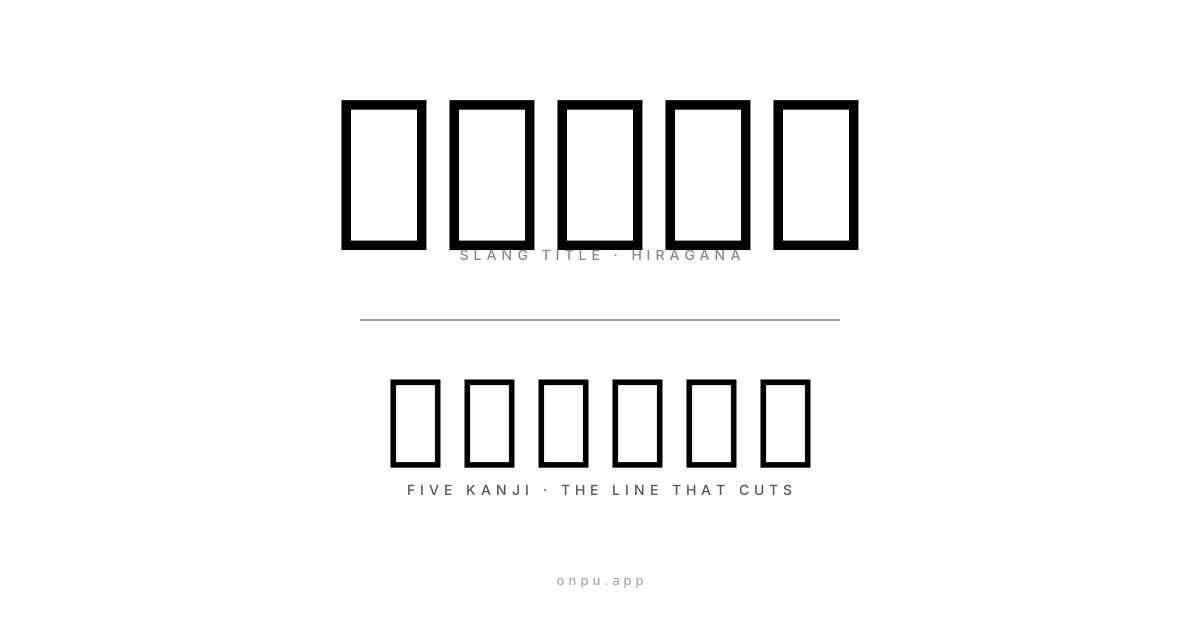
Usseewa Ado Meaning: The Slang Title Hides Six Stacked Kanji That Say Mediocre Twice in the Same Breath
The title うっせぇわ is street slang. But the chorus drops a six-kanji wall, 一切合切凡庸, that pounds the word mediocre into the listener twice. Here is what is happening.
Homura LiSA Meaning: The Demon Slayer Theme Reads 炎 as Homura, the Archaic Word for Flame of the Heart
LiSA's Demon Slayer theme 炎 is written with the kanji for flame, but she reads it as Homura, an archaic word that specifically means flame of the heart.
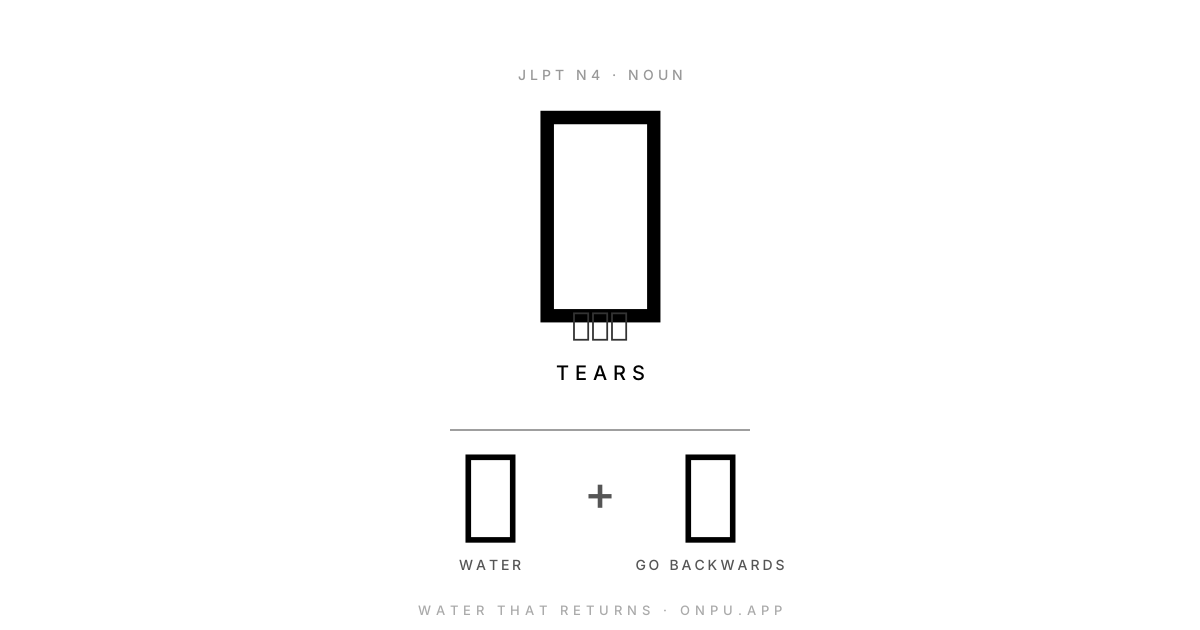
Namida (涙) Shows Up in Almost Every J-Pop Song You Love. The Kanji Itself Means Water Going Backwards.
The kanji 涙 (namida, tears) is everywhere in Japanese music. The breakdown is water plus going backwards. Here is what that quietly does to every chorus you have already sung along to.
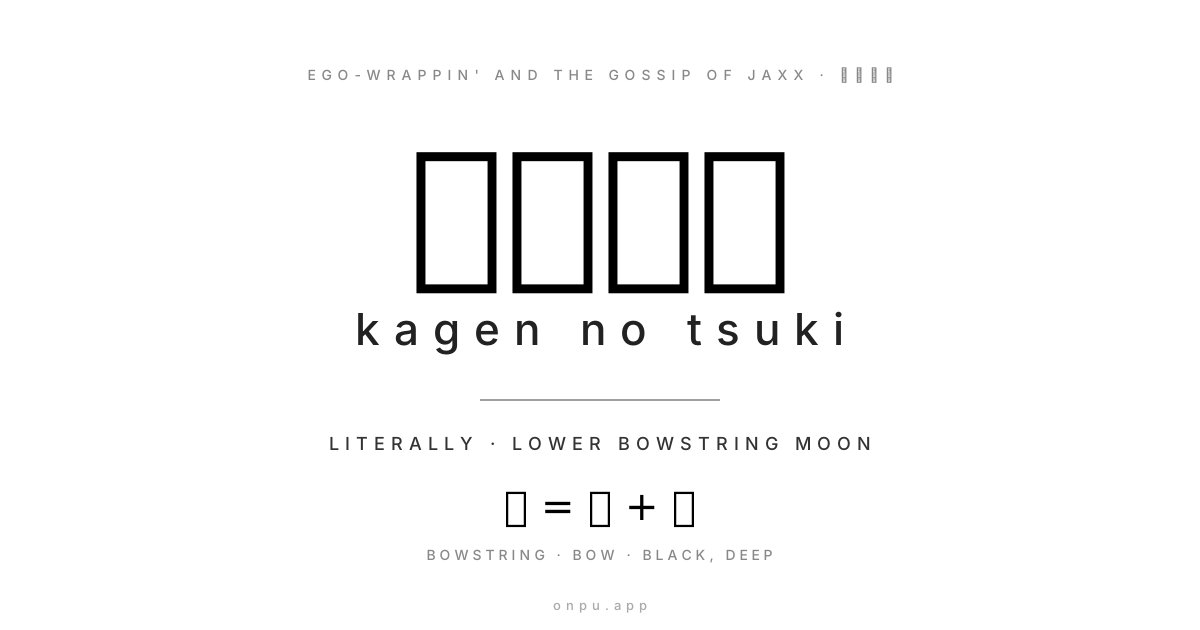
Kagen no Tsuki EGO-WRAPPIN' Meaning: Title Says Waning Moon, Chorus Says Filling Up
Kagen no Tsuki by EGO-WRAPPIN' means waning moon, but the kanji 弦 literally means bowstring and the chorus keeps saying filling up. Here's what the title actually encodes.
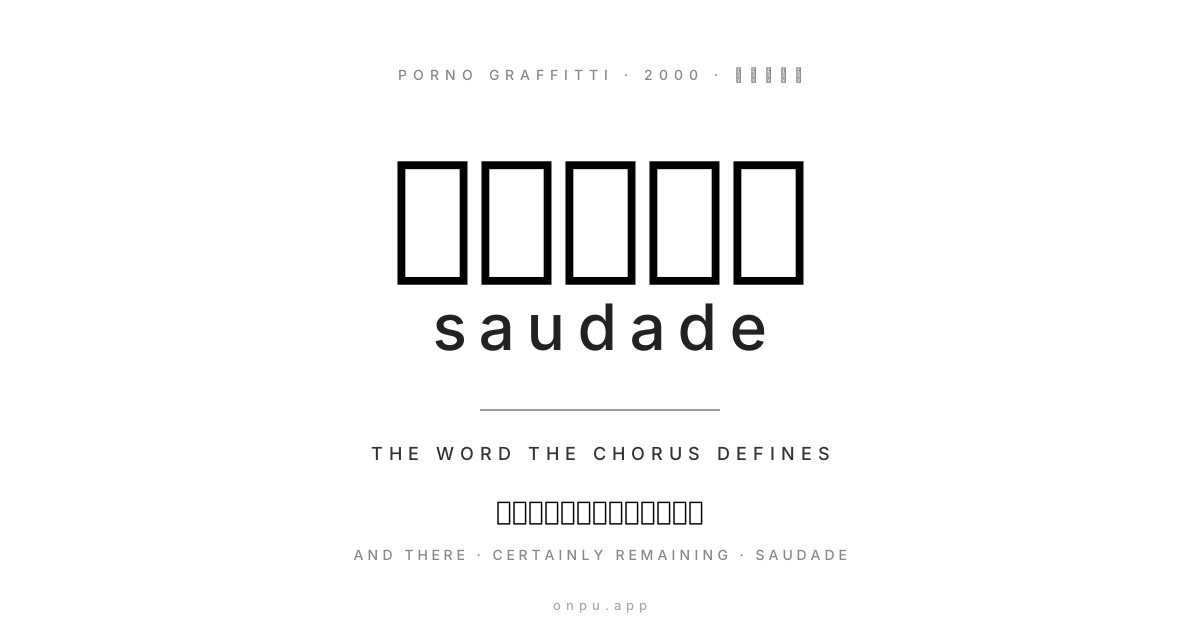
Saudade Porno Graffitti Meaning: The Line Where This Song Defines Its Own Portuguese Title
Porno Graffitti's サウダージ is one of the rare J-pop songs that writes the definition of its own Portuguese title into the chorus. Here is the line.
Aliens KIRINJI Meaning: The Plural in the Title Turns a Lonely Song Into a Love Song
KIRINJI's エイリアンズ is plural in the title and singular in the final line. That one letter flip is the entire song: we are weirdos together, and you are mine.
Melissa Porno Graffitti Meaning: The FMA Opening Is Named After a Plant, and the Songwriter Found It by Accident in a Dictionary
Porno Graffitti's Melissa (FMA OP1) isn't named after a woman. It's named after lemon balm, and the lyricist found the word by accident in a dictionary.
Itte Yorushika Meaning: The Two Kanji That Sound Identical But Turn a Love Song Into a Funeral
Yorushika's 言って. opens with 言った (said) and lands on 逝った (passed away). Phonetically identical. The song has two readings.
NIGHT DANCER imase Meaning: The Whole Song Is a Clock That Won't Tick Until the Chorus
imase's NIGHT DANCER hides one kanji (針) doing two jobs across the verses. Every verb freezes. Only 踊ろう moves.
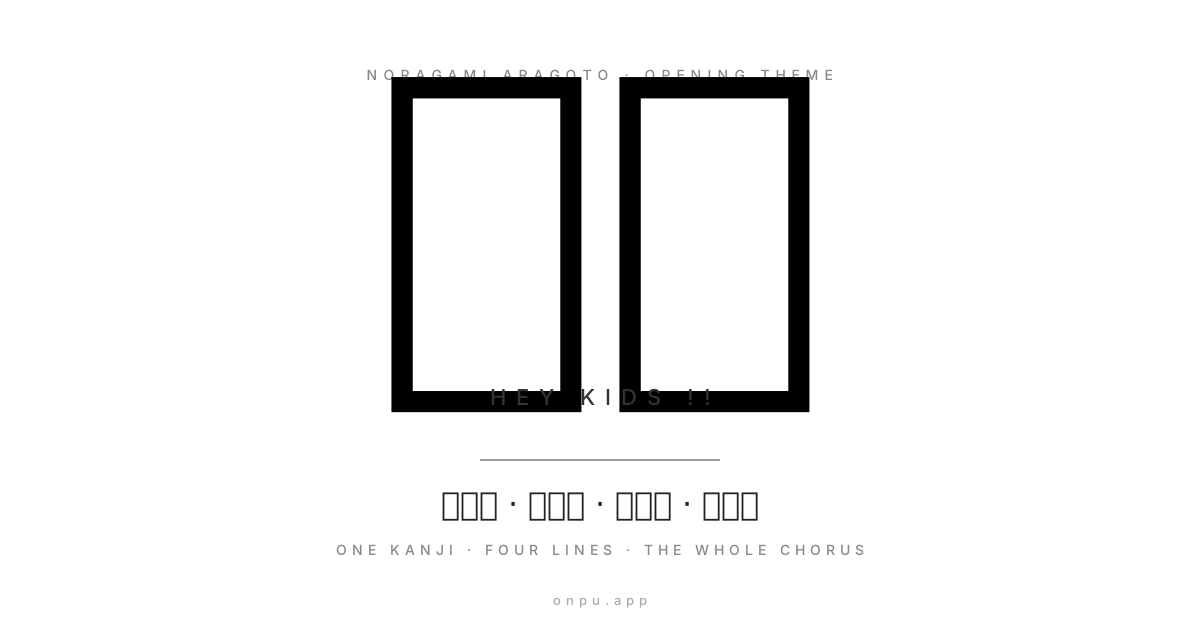
Kyouran Hey Kids Meaning: Why Every Chorus Line Starts With the Same Kanji as the Title
Noragami ARAGOTO's opening 狂乱 Hey Kids hammers one kanji into a mantra. 狂 is dog plus king, and every chorus line starts with it.
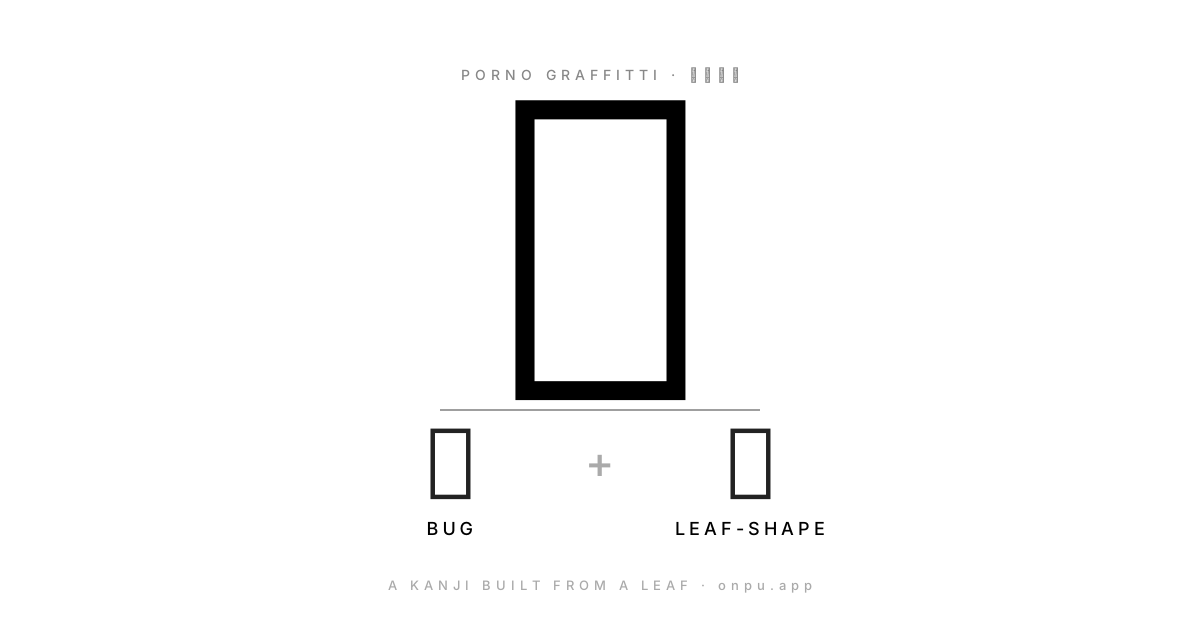
Ageha Chou Porno Graffitti Meaning: The Title Kanji Is Already a Butterfly Resting on a Leaf
PornoGraffitti's アゲハ蝶 is not just a song about a butterfly. The kanji 蝶 is a picture of a bug on a leaf, and one verb in the final chorus makes the butterfly bloom.
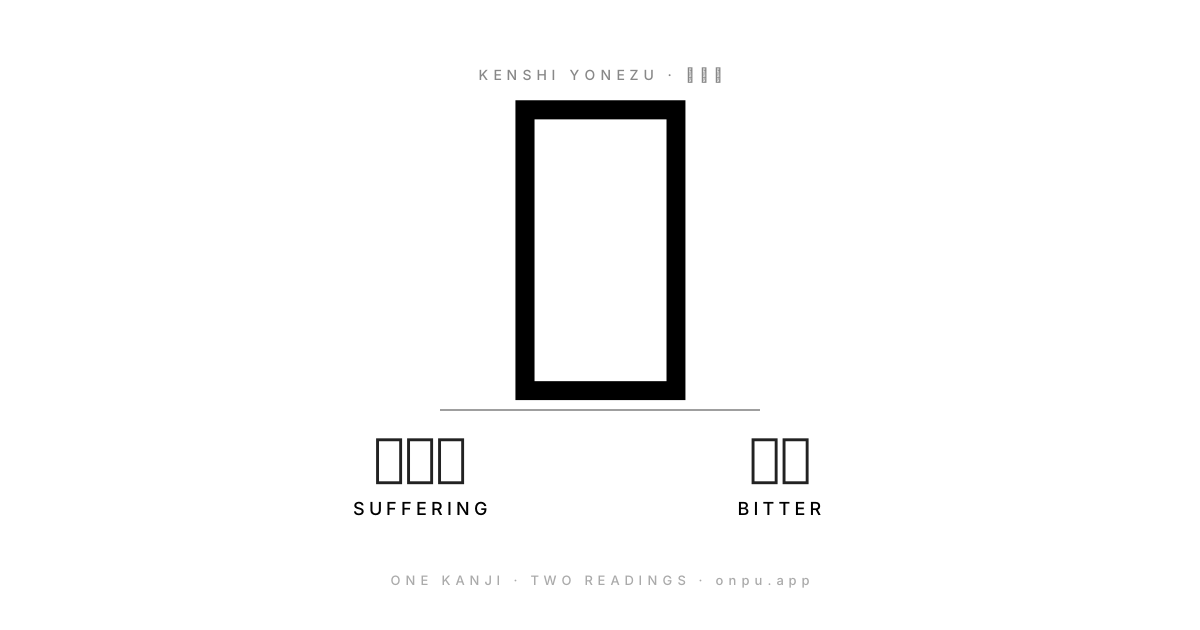
Lemon Kenshi Yonezu Meaning: The Word for Bitter and the Word for Suffering Are the Same Kanji
Kenshi Yonezu wrote Lemon while his grandfather was dying. One kanji pulls the bitter and the suffering together. Here is what it really says.
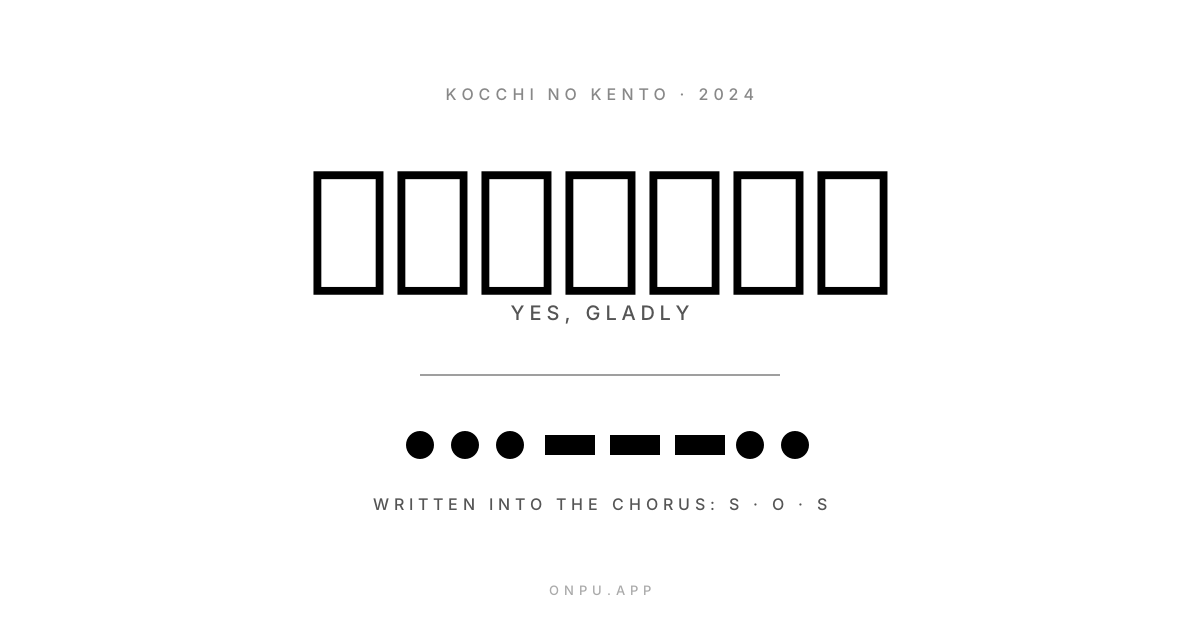
Hai Yorokonde Meaning: There Is a Literal SOS Inside Japan's Biggest 2024 Song
Kocchi no Kento's はいよろこんで hides a literal SOS Morse code inside a cheerful chorus. Here is what the lyrics, the title, and the kanji for joy actually say.
Odoriko Vaundy Meaning: The Pronoun Shift Every English Translation Misses
Vaundy's Odoriko switches from 僕 to 私 halfway through. Here's the two-voice structure English translations flatten, plus what 踊り子 really means.
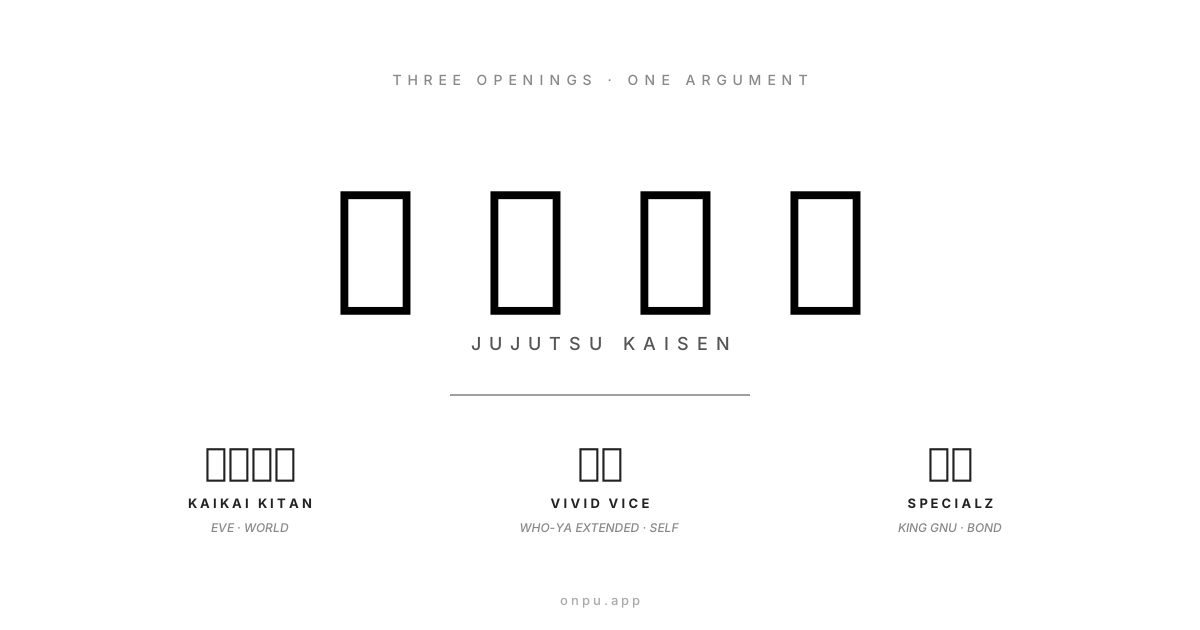
Jujutsu Kaisen Opening Meanings: Kaikai Kitan, Vivid Vice, SPECIALZ Decoded
All three Jujutsu Kaisen openings circle the same kanji at different scales. Here's what Kaikai Kitan, VIVID VICE, and SPECIALZ actually say.

Pararirai Meaning: What Kiryu's New Kiwami 3 Karaoke Song Actually Says
Kiryu's new Kiwami 3 karaoke song Pararirai hides a mirrored flower, a softer pronoun, and a farewell. Here's what the English subs flatten.
Idol YOASOBI Meaning: Why the Oshi no Ko OP Is a Confession, Not a Flex
YOASOBI's Idol looks like a pop banger. Then you see the wordplay hiding in Ai Hoshino's name, and the song becomes a confession.
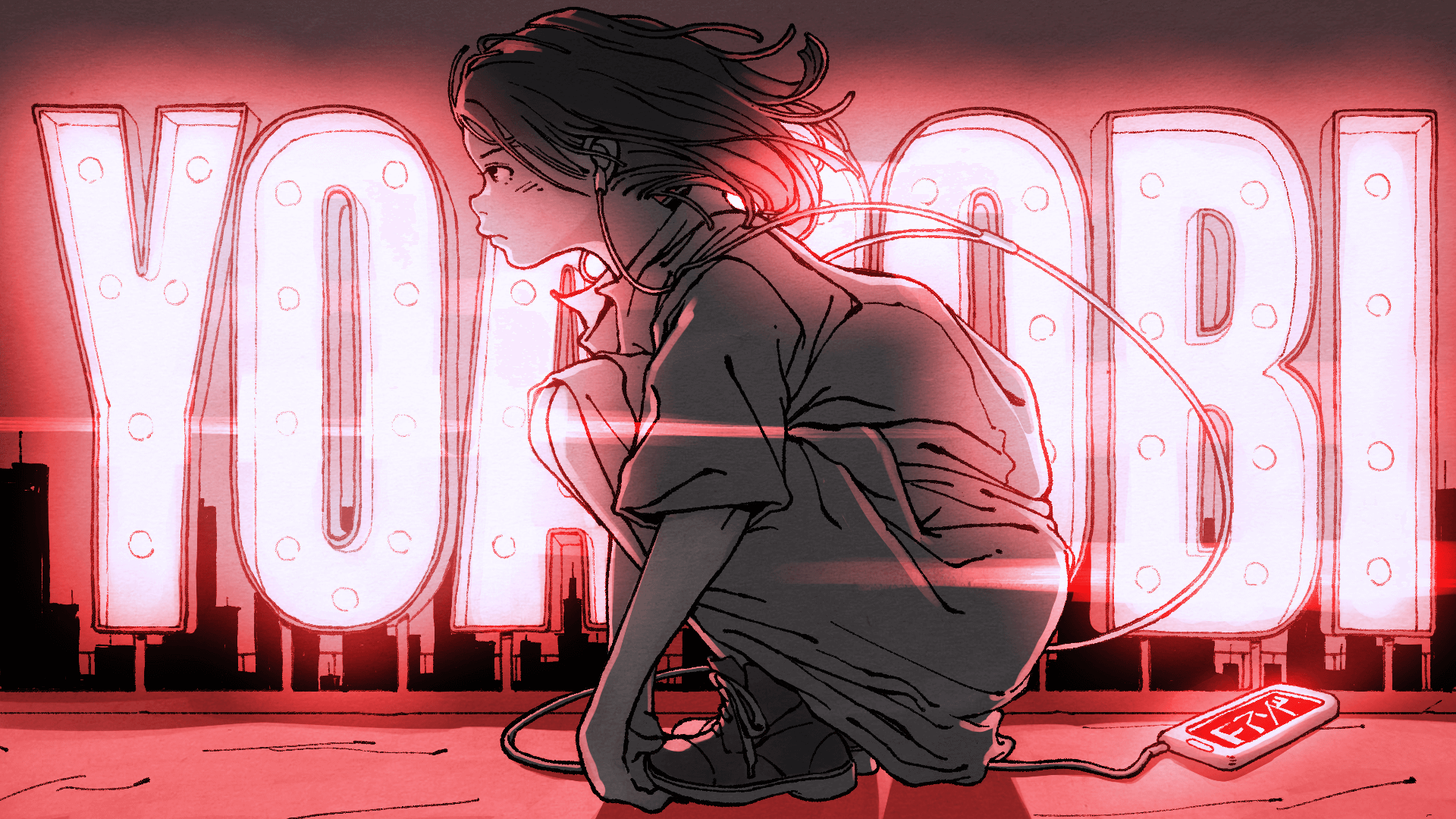
Yoru ni Kakeru Meaning: What YOASOBI's Biggest Hit Is Actually About
YOASOBI's Yoru ni Kakeru sounds like a love song. It isn't. The real meaning, the novel it's based on, and why the catchy melody is the point.
Setsunai Meaning: The Japanese Word for Beautiful Pain (切ない)
Not sad. Not bittersweet. Setsunai is being cut open by something beautiful that's ending. One word, every J-pop song.
3 Japanese Songs You've Been Vibing To That Are Actually Devastating
That Yakuza karaoke song? It's about a man watching someone die. Three songs where the melody lies.